
Human resources is a field that requires a balance of practical experience, theoretical understanding and interpersonal awareness.
As organisations continue to adapt to new workforce expectations and operational demands, HR professionals play a central role in managing change, supporting employees and advising managers.
For those who have gained foundational experience and wish to deepen their knowledge, developing intermediate skills provides a valuable step in career progression.
The Role of Intermediate HR Knowledge
Moving beyond entry level responsibilities involves a broader understanding of how HR influences organisational performance.
Intermediate learning supports professionals who wish to contribute to more complex areas such as policy development, employee engagement, performance management and people strategy.
This stage of learning is suited to individuals who understand the basics of HR practice and are ready to explore the reasoning behind organisational decisions, the impact of people management on business outcomes and the skills required to support managers with more complex queries.
Transitioning from Operational to Advisory Work
Many HR professionals begin with administrative duties before transitioning into roles where they provide guidance to employees and managers.
This shift requires confidence, a deeper understanding of organisational policies and the ability to interpret information in a practical way.
Intermediate development helps individuals strengthen decision making skills, understand the wider context of HR practice and learn how to apply policies consistently.
It also prepares professionals to support activities such as disciplinary processes, employee relations cases and workforce planning.
One recognised route for developing these capabilities is through the cipd level 5 pathway, which introduces intermediate HR concepts suitable for those building experience in the field.
Strengthening Core People Management Skills

Intermediate HR roles require a deeper level of insight into people management.
These skills help professionals support managers and contribute to building a positive working environment.
Employee Relations
Understanding the factors that influence employee behaviour and workplace relationships is essential.
Intermediate learning provides knowledge on handling grievances, supporting conflict resolution and helping maintain fairness in decision making.
Performance and Development
HR plays a key role in shaping performance management processes.
Professionals learn how to support managers in setting objectives, providing feedback and identifying development needs.
Organisational Behaviour
Intermediate development explores how culture, leadership styles and communication patterns affect organisational performance.
This knowledge helps HR professionals contribute to initiatives that support engagement and wellbeing.
Broadening Understanding of HR Strategy
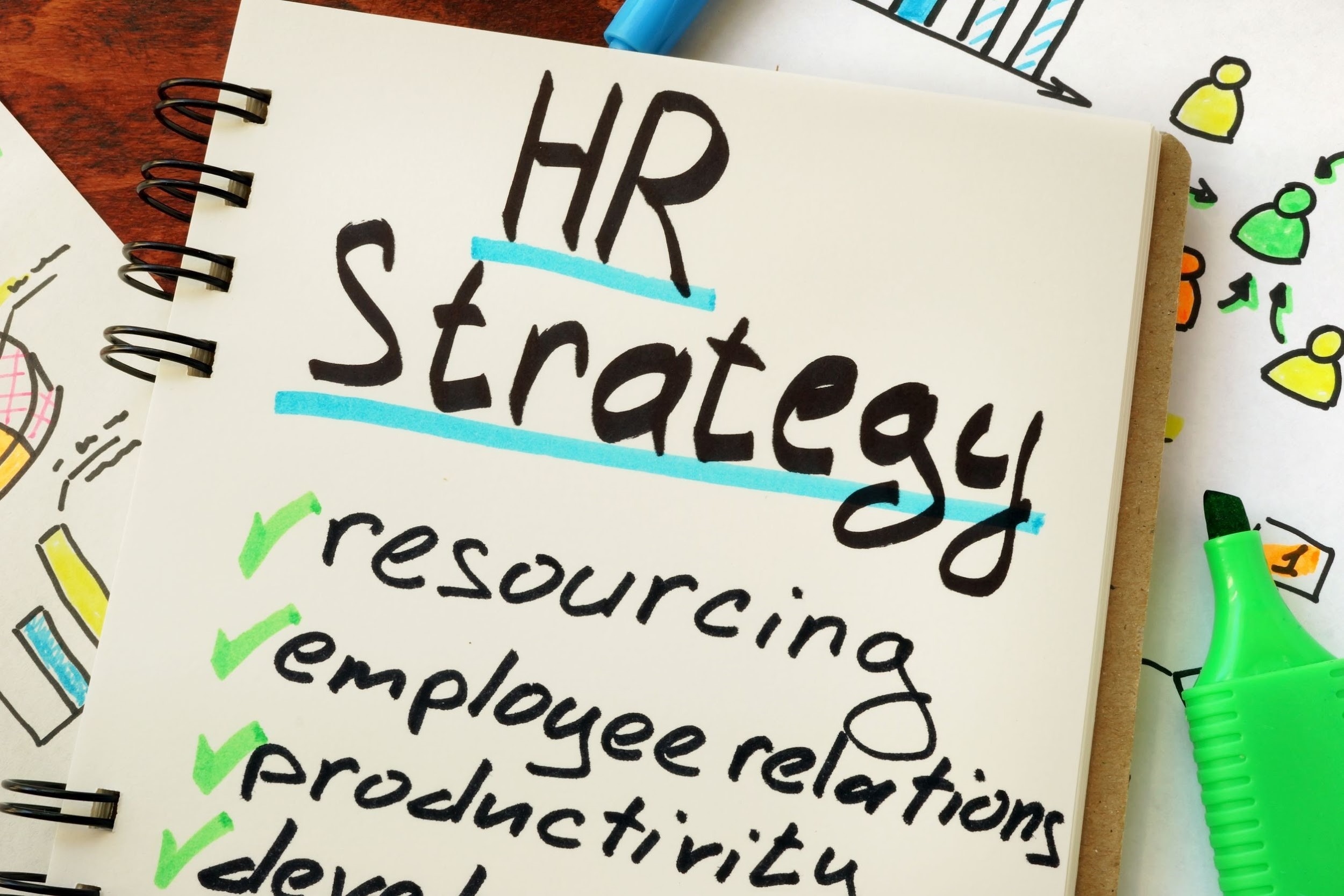
As HR becomes more integrated into organisational planning, understanding the link between people management and business strategy becomes increasingly important.
Intermediate learning helps individuals explore this connection and understand how HR contributes to long term organisational goals.
Workforce Planning
Workforce planning involves analysing current skills, forecasting future needs and identifying gaps.
HR professionals at an intermediate level may support these activities through data collection, reporting and recommendations.
Data Interpretation
HR teams often use data to inform decisions about retention, absence, performance and recruitment.
Developing intermediate analytical skills helps individuals interpret this data in a meaningful way.
Policy Development
Intermediate HR roles may involve contributing to or updating organisational policies.
Understanding how policies align with legislation and organisational values is an important part of this responsibility.
Supporting Managers and Employees

As responsibilities grow, HR professionals increasingly act as a point of contact for both employees and managers seeking guidance.
Intermediate development equips individuals with the knowledge needed to respond confidently, ensuring advice is accurate and aligned with organisational standards.
This level of learning also helps professionals build communication skills that support clear, empathetic and professional interactions.
Strong communication strengthens trust and encourages consistent application of HR practices across teams.
Career Progression Through Intermediate HR Development
Completing intermediate HR training can support progression into advisory roles, HR generalist positions or specialist areas such as learning and development, resourcing or employee relations.
These roles require a blend of technical knowledge and practical experience, both of which are strengthened through structured learning.
Professionals who develop intermediate skills often find they are better prepared to contribute to decision making, support organisational projects and take on additional responsibilities. This creates a pathway into more senior roles over time.
The Value of Continuous Learning
HR is a profession shaped by changes in legislation, workplace culture and organisational priorities. Because of this, ongoing development is essential for professionals at all stages of their careers.
Intermediate learning acts as a bridge between foundational understanding and advanced strategic knowledge.
By exploring more complex HR topics, gaining confidence in advisory responsibilities and understanding how HR contributes to organisational success, individuals can build a strong foundation for future growth.
Continuous learning ensures HR professionals remain adaptable and well equipped to support both employees and organisations in a changing workplace landscape.
