
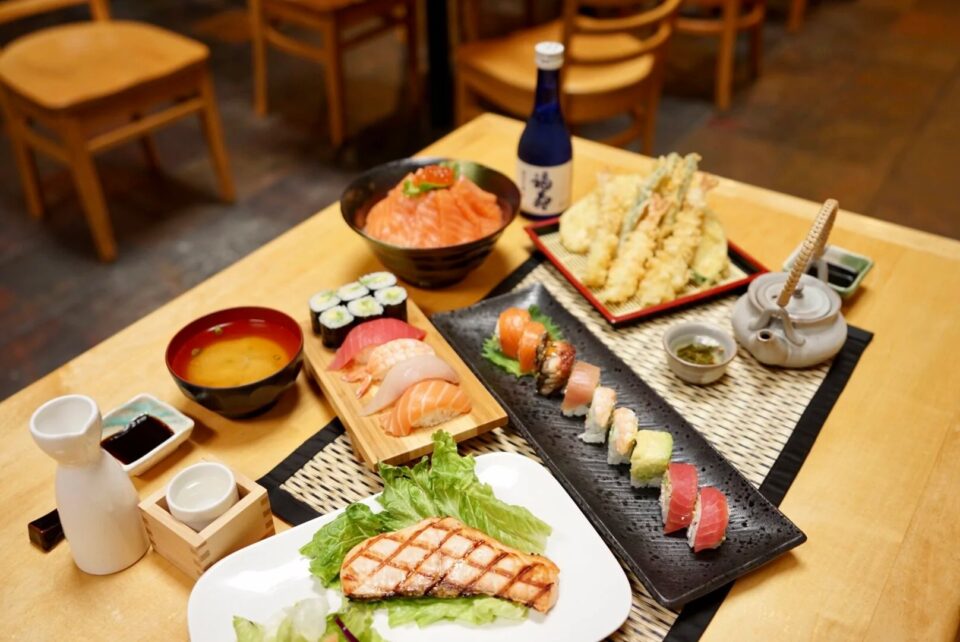
Japanese cuisine has become a familiar part of dining culture in many towns and cities, offering a combination of simplicity, precision and rich culinary traditions.
A Japanese restaurant often provides an environment where attention to detail is evident in both the food and the atmosphere.
Diners are drawn to the balance of flavours, the presentation of dishes and the sense of calm that accompanies many traditional dining experiences.
As interest in global cuisine continues to grow, Japanese food remains a popular choice for people seeking variety, freshness and craftsmanship.
The Foundations of Japanese Cuisine
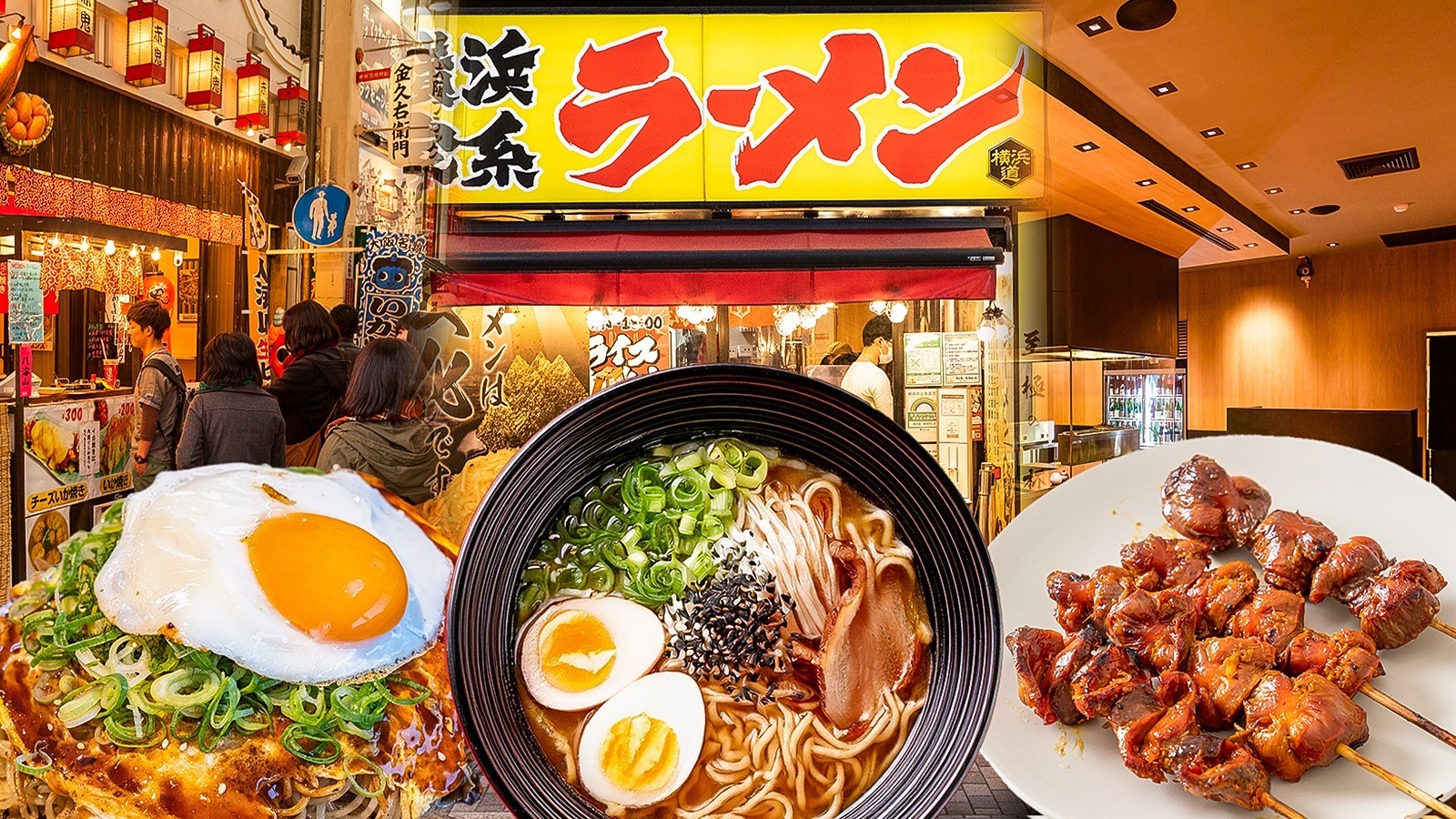
Japanese cooking places emphasis on fresh, seasonal ingredients. Rather than relying on heavy sauces or complex preparations, the cuisine highlights natural flavours.
Rice, fish and vegetables form the foundation of many dishes, accompanied by broths, pickles and simple seasonings such as soy sauce or miso.
This approach reflects a cultural respect for nature, where ingredients are appreciated for their inherent qualities.
Alongside these staples, the cuisine incorporates methods such as grilling, steaming and simmering. Tempura, for example, uses a delicate batter to showcase ingredients without overpowering them.
Noodles also play an important role, with options like soba and udon found in both casual and formal settings. This variety means diners can enjoy a wide range of tastes and textures within a single meal.
Sushi and Sashimi in Modern Dining
Sushi has become one of the most recognisable aspects of Japanese cuisine. The combination of seasoned rice with fish or vegetables creates a dish that is both simple and versatile.
Sashimi, which consists of thinly sliced raw fish, offers another way to experience the freshness that defines Japanese cooking. Both rely on high quality ingredients and careful preparation.
In many restaurants, sushi chefs train for years to perfect the skills required for handling fish, creating uniform cuts and preparing rice with the correct consistency.
This level of expertise contributes to the dining experience and reflects the discipline at the heart of Japanese culinary traditions.
The Role of Atmosphere in a Japanese Restaurant
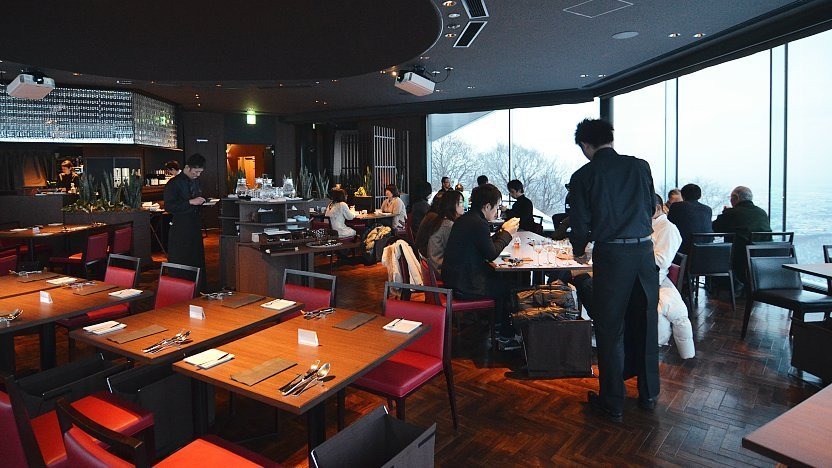
Beyond the food itself, the setting of a Japanese restaurant often contributes significantly to its appeal.
Many establishments incorporate natural materials, soft lighting and uncluttered design to create a calm, welcoming environment.
This simplicity mirrors the cuisine and encourages a relaxed pace of dining.
Some restaurants offer traditional seating such as tatami mats, while others adopt a contemporary style.
Regardless of the design, the focus often remains on creating a balanced atmosphere that complements the meal.
Attention to detail, whether in the layout of the table or the presentation of dishes, reinforces the overall experience.
Regional Diversity in Japanese Dishes
Japan’s regions each have distinctive culinary traditions shaped by local ingredients and cultural influences.
Coastal areas are known for seafood dishes, while mountainous regions may rely more on preserved foods and hearty broths.
Osaka is often associated with street foods such as takoyaki, while Hokkaido is recognised for dairy products and rich ramen varieties.
These differences mean that a single cuisine encompasses a broad spectrum of flavours.
Diners can explore light, delicate dishes or more robust, comforting meals depending on their preferences.
This regional diversity has contributed to the international popularity of Japanese food, offering something for a wide range of tastes.
Modern Interpretations of Japanese Cuisine
As Japanese food has spread globally, many chefs have introduced their own interpretations. Contemporary restaurants may blend traditional techniques with modern ingredients or presentation styles.
While purists may prefer classic dishes, there is growing interest in fusion menus that bring new ideas to familiar recipes.
These adaptations reflect the evolving nature of cuisine.
Even within Japan, chefs continue to experiment while honouring the principles of balance and respect for flavour.
For diners, this means there are opportunities to enjoy both traditional meals and innovative reinterpretations.
Exploring Dining Options

Many people seek out a Japanese restaurant to experience these varied dishes and culinary traditions.
Whether through sushi, noodle dishes or regional specialities, the cuisine offers a broad selection of flavours and preparation styles.
Restaurants may focus on a particular aspect of Japanese food or present a wider menu that allows diners to sample different categories.
The Continuing Popularity of Japanese Cuisine
Interest in Japanese food continues to grow as people become more aware of global culinary traditions.
The emphasis on fresh ingredients, balanced flavours and thoughtful presentation appeals to those seeking a considered dining experience.
With its combination of tradition and modern interpretation, Japanese cuisine remains a significant part of contemporary food culture.
As more diners explore the options available, Japanese restaurants will likely continue to play an important role in introducing both classic and evolving dishes to a wider audience.
