
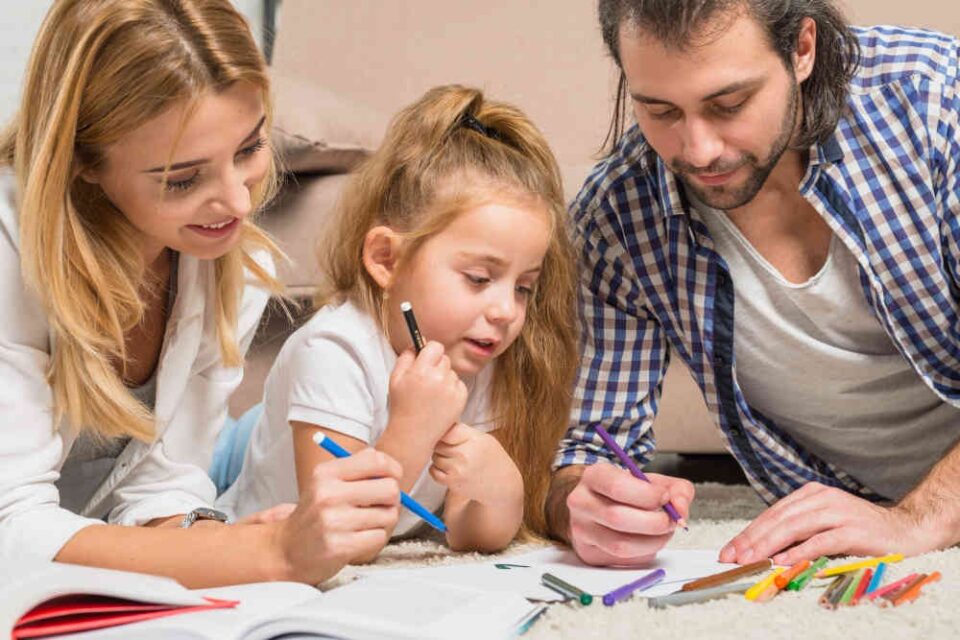
Across many communities, the needs of children and families have grown increasingly complex, shaped by social, economic, and cultural shifts.
As these needs evolve, so too does the framework of support designed to safeguard children’s wellbeing.
The systems in place are not static; they adapt to emerging challenges such as mental health concerns, digital safety, and changing family structures.
By examining how these systems function and identifying the challenges they face, we can better understand how societies work to create environments in which children can thrive.
The Foundations of Support

Efforts to support children and families are built on the principle that every child has the right to safety, education, health, and emotional security.
These principles guide schools, healthcare providers, social workers, and community organisations as they collaborate to provide both preventative and responsive interventions.
At the heart of most frameworks is early intervention. Identifying difficulties early—whether developmental, emotional, or social—can significantly improve long-term outcomes.
Early intervention also reduces the strain on crisis-driven services by addressing problems before they escalate.
This approach requires close cooperation between professionals who regularly interact with children, such as teachers, healthcare staff, and youth workers.
Key Areas of Focus
Safeguarding and Protection
Safeguarding remains a central responsibility within child-focused systems.
This includes recognising signs of abuse or neglect, ensuring appropriate referrals, and maintaining clear communication across agencies.
Strong safeguarding processes depend on robust training and a shared understanding of protocols among all professionals involved in children’s lives.
Mental Health and Emotional Wellbeing
The importance of children’s mental health is now widely acknowledged. Increased awareness of anxiety, depression, and behavioural disorders has prompted more schools and community groups to introduce wellbeing programmes, counselling access, and family support initiatives.
Despite progress, demand often outstrips availability, highlighting the need for sustained investment and strategic planning.
Education and Social Development
Education not only supports academic growth but also plays a significant role in social development.
Schools often act as a hub for wider support networks, providing pastoral care and connecting families with additional resources.
Inclusive approaches that accommodate special educational needs and disabilities (SEND) aim to ensure equitable access to learning.
Collaborative Approaches
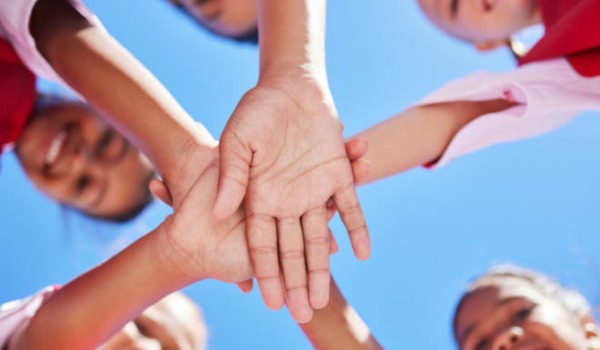
A notable feature of modern systems supporting children is the emphasis on multi-agency collaboration. No single organisation can meet all needs; instead, cooperation between sectors is essential.
Health services, educational institutions, social care teams, and voluntary organisations increasingly share information and coordinate responses.
This collaborative approach reduces fragmentation and helps ensure families receive consistent support.
For those seeking additional information or resources, services such as childrens services offer insights into the range of support options available.
Challenges and Barriers
Despite significant progress, several challenges hinder effective delivery. One major issue is the uneven distribution of resources across regions.
Some areas experience shortages of trained professionals, leading to long waiting times and limited access to specialised services.
Funding constraints also contribute to variability in support quality.
Administrative complexity presents another hurdle. Families sometimes struggle to navigate systems involving multiple agencies, each with their own procedures and terminology.
Simplifying communication and improving accessibility can help reduce these barriers.
Additionally, societal changes—such as increased use of technology—create new risks and considerations.
Ensuring that children remain safe online requires continuous adaptation from educators, caregivers, and policymakers.
The Role of Families and Communities
While formal systems play a vital role, families and communities also contribute significantly to children’s wellbeing.
Strong family relationships, stable living environments, and positive role models provide the foundation for resilience.
Community initiatives, such as local youth groups and mentoring programmes, help build social connections and support networks outside the home.
Developing community-based approaches allows for flexibility, reflecting the unique needs and strengths of each locality.
Encouraging local participation also fosters a sense of shared responsibility for children’s welfare.
Looking Ahead

As the needs of children and families continue to evolve, support systems must remain adaptable.
Prioritising early intervention, strengthening multi-agency cooperation, and addressing regional disparities are crucial steps in creating a more effective and responsive framework.
Continued research, feedback from families, and investment in professional training will further shape future developments.
Ultimately, the aim is to ensure that every child has access to the support needed for a safe, healthy, and fulfilling life.
