
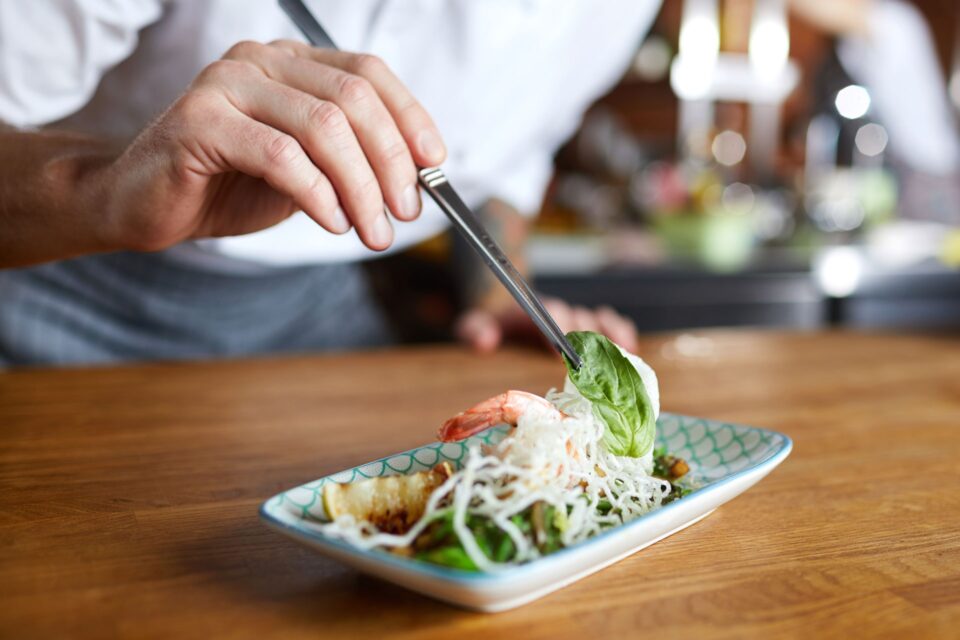
The global culinary scene is constantly evolving, but few trends have captured the popular imagination quite like the rise of Pan-Asian cuisine.
Far from being a niche category, it represents a dynamic and thoughtful approach to combining the rich, diverse food traditions of East and Southeast Asia.
The concept of the Pan Asian Restaurant has moved beyond simple fusion to become a sophisticated, unified dining experience.
Defining Pan-Asian Cuisine
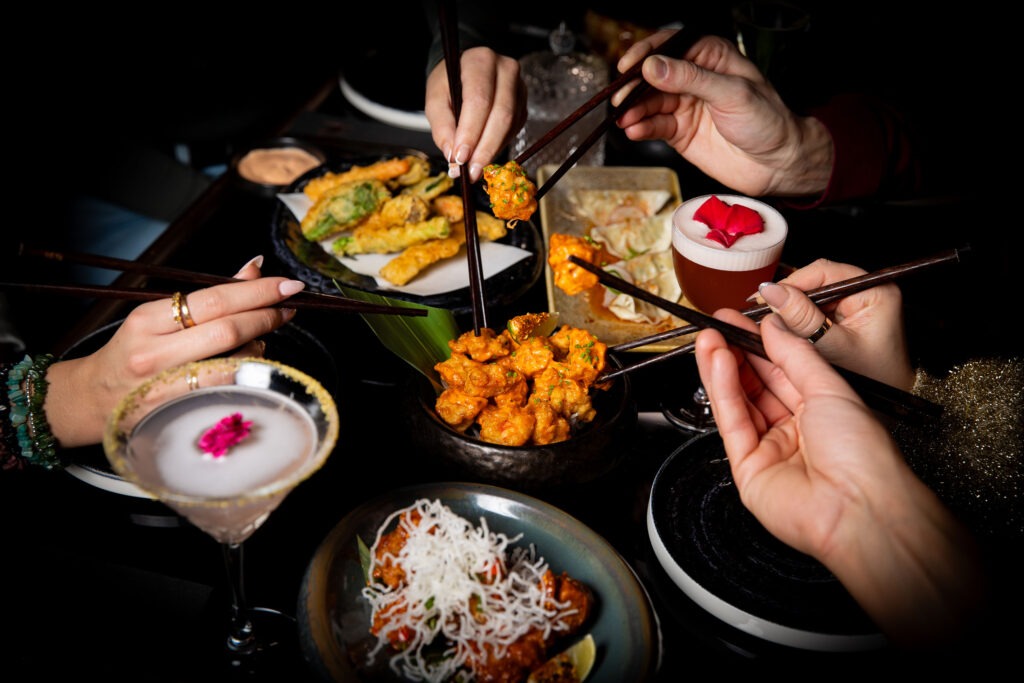
Pan-Asian cuisine is best understood not as a single style of cooking, but as a culinary philosophy.
It involves the integration of flavors, ingredients, and techniques from various Asian nations, including but not limited to China, Japan, Thailand, Vietnam, Korea, Malaysia, and India.
Historically, Asian culinary traditions developed distinct characteristics due to geographical isolation, local agricultural capabilities, and cultural preferences.
Chinese cuisine is known for its mastery of stir-frying and diverse regional styles (Sichuan’s heat, Cantonese’s subtlety).
Japanese cuisine emphasizes pristine ingredients, minimalist presentation, and umami. Thai food balances the five fundamental tastes: sweet, sour, salty, bitter, and spicy.
Pan-Asian chefs carefully select elements from these traditions to create new dishes or reinterpret classics.
This differs significantly from simple “fusion” cooking, which sometimes blends two cuisines indiscriminately.
A Pan-Asian establishment aims for a cohesive menu where, for example, a Thai-style coconut milk base might be used to flavor Japanese udon noodles, or a Korean marinade might be applied to a Vietnamese protein preparation.
The guiding principle is synergy, ensuring the combined elements elevate, rather than confuse, the dish.
The Role of Ingredients and Techniques
Success in Pan-Asian cooking hinges on a broad and well-stocked pantry.
Essential components include the five mother sauces of Asian cooking (soy sauce, fish sauce, rice vinegar, sesame oil, and oyster sauce), a variety of chili pastes (Sriracha, Gochujang), and aromatic herbs like lemongrass, kaffir lime leaves, and Thai basil.
Techniques are borrowed and adapted.
The deep-frying mastery of tempura from Japan might be paired with the aromatic spice rubs common in Indonesian cooking.
The use of a wok, central to Chinese cooking, is frequently employed to rapidly cook and infuse flavors into Thai and Vietnamese-inspired curries or salads.
The precision of Japanese slicing (e.g., sashimi preparation) can be applied to create elegant presentations for Southeast Asian-style cold rolls.
The best Pan Asian Restaurant focuses on ingredient quality above all else.
Since many dishes rely on light, quick preparations, the freshness of seafood, vegetables, and the authenticity of imported spices are paramount to achieving the delicate balance of flavor required.
Menu Design and Customer Experience
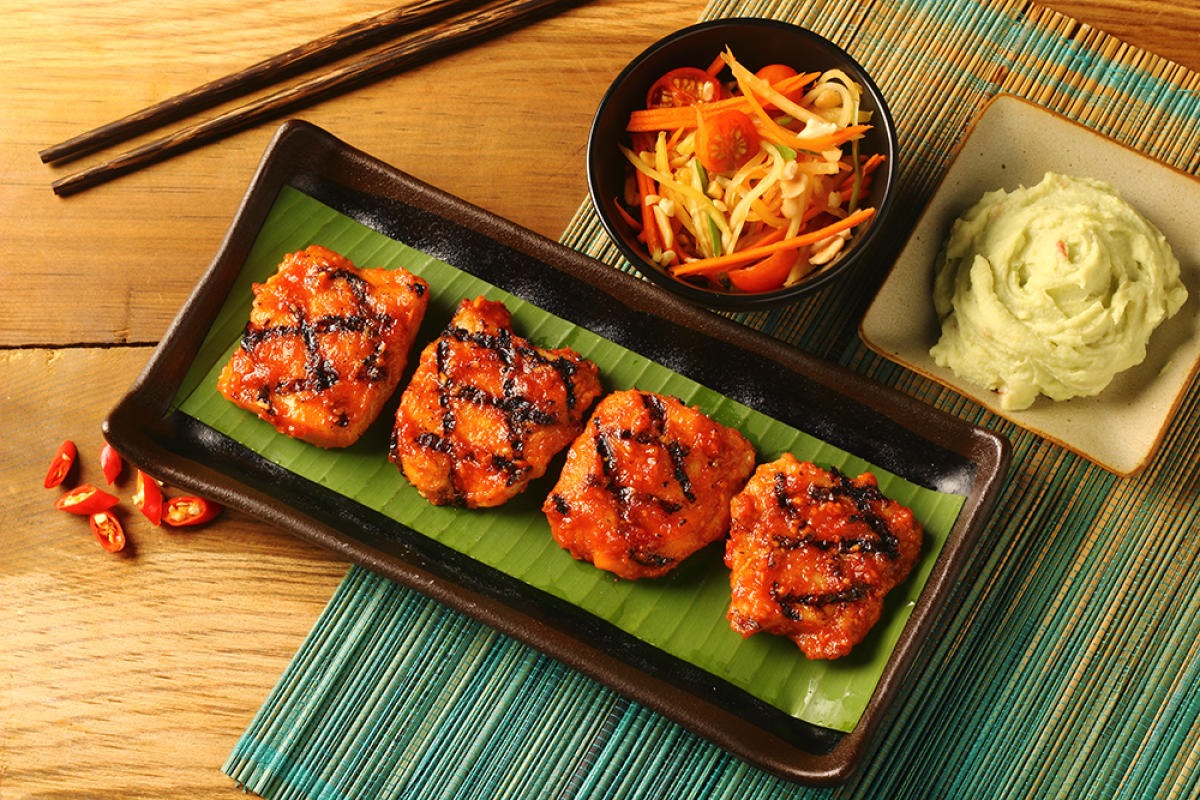
A key challenge for any Pan-Asian establishment is crafting a menu that feels cohesive rather than chaotic.
Modern menus often group dishes by style (e.g., Noodles, Curries, Grill, Sushi) rather than by country of origin, allowing the integrated nature of the food to shine.
For the modern diner, Pan-Asian cuisine offers an approachable yet exciting entry point into various Asian cultures.
Diners can move seamlessly from delicate Japanese gyoza to a robust Vietnamese pho or a fiery Malaysian rendang, all within a single seating.
This diversity makes the cuisine highly appealing to groups with varied palates.
Restaurant ambiance often reflects this blend. Many successful venues incorporate minimalist Japanese design elements (clean lines, natural wood) with the rich colors and textures found in Southeast Asian decor, creating an environment that is sophisticated, warm, and inviting.
Looking Ahead
The future of Pan-Asian cuisine is bright, driven by consumer demand for authenticity, variety, and health-conscious options.
As global travel and cultural exchange increase, the culinary lines between Asian nations will continue to blur, leading to even more creative and globally-influenced dishes.
The enduring appeal of this cuisine lies in its respect for tradition while embracing innovation, securing its place as a cornerstone of contemporary international dining.
