
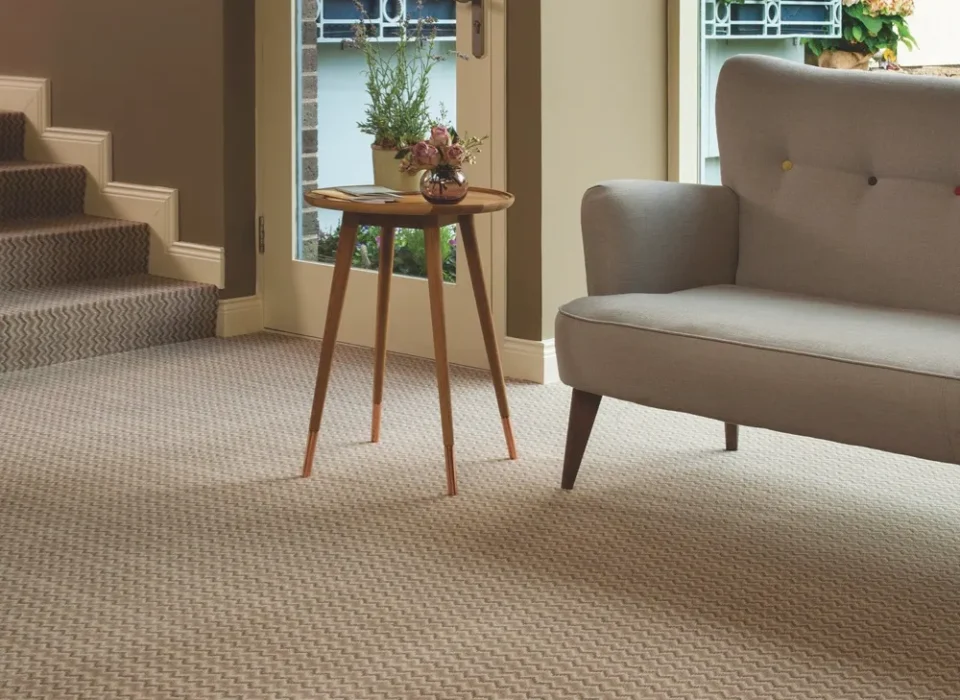
The feel of a good carpet underfoot can fundamentally change a home. It is more than just a floor covering, it is a statement of style, a source of warmth, and a vital layer of insulation against the chill of British weather. For many homeowners, deciding on the right carpet and ensuring it is fitted correctly can feel daunting. This guide delves into the essential considerations, from material choice to the crucial final installation, helping you achieve a flawless finish that lasts for years.
Understanding Carpet Materials ─ Beyond Just Colour
When embarking on a flooring project, the initial excitement often centres around colour and pattern. However, the true longevity and comfort of your carpet lie in its construction and the materials used. Understanding the pros and cons of common fibres is the first step towards an informed decision.
Wool remains a perennial favourite, particularly in the UK. Its natural resilience, luxurious feel, and excellent fire resistance make it a premium choice. A wool carpet is naturally springy, meaning it bounces back well from pressure, which is vital for high traffic areas like hallways and living rooms.
Conversely, synthetic options, most commonly polypropylene and nylon, offer exceptional stain resistance and value. These carpets are often a practical choice for family homes where spills are a regular occurrence. Blends, typically a mix of 80% wool and 20% synthetic fibre, offer a superb compromise, combining wool’s comfort with enhanced durability and ease of cleaning. When planning a refresh, understanding these material differences will allow you to match the fibre type to the room’s function, ensuring maximum performance.
Style and Practicality ─ Matching the Carpet to the Room
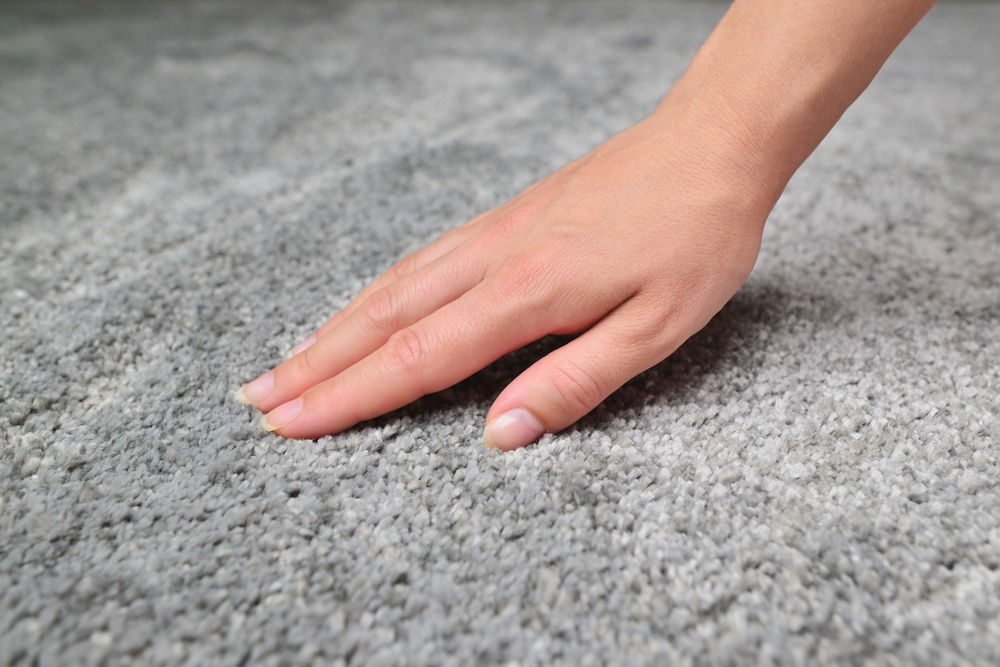
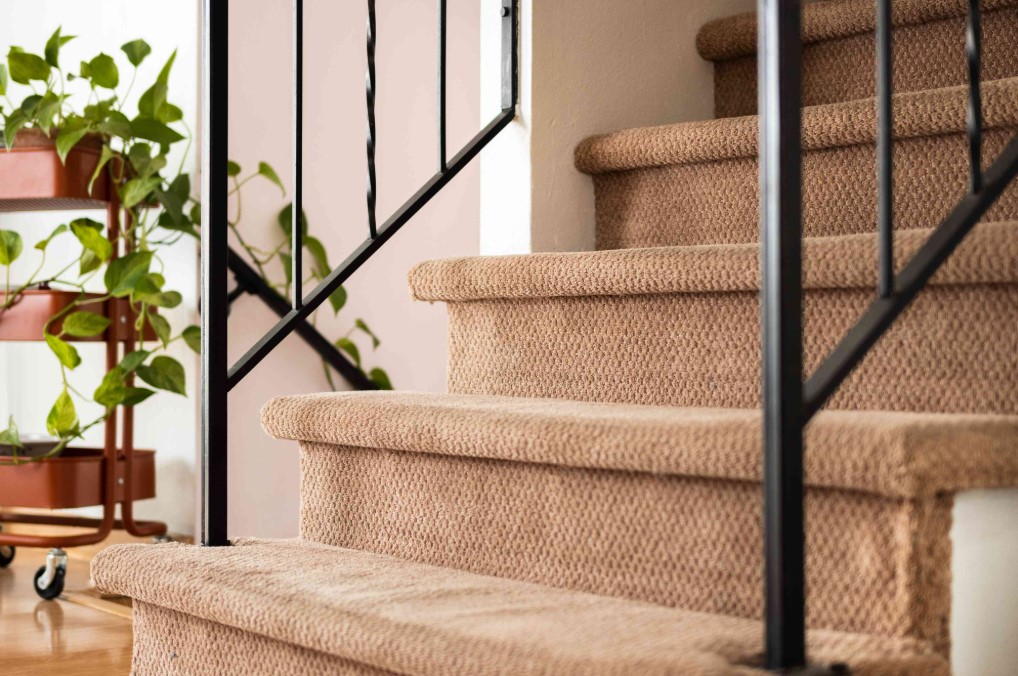
Different rooms in a house place different demands on a carpet. A plush, deep pile Saxony carpet, while incredibly inviting, is best reserved for a bedroom or a less trafficked study. The dense, deep fibres offer supreme comfort but can flatten easily under heavy footfall. For busy areas, a Berber or loop pile, where the yarn is left in small, tight loops, provides a hard wearing and practical surface. These carpets are exceptionally durable, making them ideal for stairs and landings, areas which suffer relentless wear.
For those concerned about aesthetics and resale value, neutral tones such as beige, grey, or subtle taupe remain popular, offering a versatile backdrop that complements a wide range of interior design schemes. However, a bold striped carpet can provide a stunning visual feature on a staircase, adding a layer of contemporary sophistication. The choice should always reflect a careful balance between your personal style and the room’s specific functional requirements. Getting this balance right is key to a successful long term investment.
The Critical Step ─ Ensuring Professional Installation
The quality of the carpet itself is only half the equation; professional installation is the factor that separates a good-looking floor from a truly impeccable one. A professional West Midlands Carpet Fitters knows that the underlay is just as important as the carpet, often extending the life of the chosen floor covering by several years. A high quality underlay provides cushioning, significantly improves insulation, and reduces noise transmission between floors. It is a non-negotiable part of the installation process.
When it comes to the fitting, poor workmanship can lead to visible seams, wrinkles, or carpets that fray at the edges, issues which can quickly ruin the overall aesthetic and pose a tripping hazard. Stretching the carpet correctly is a skilled process that ensures it remains taut and smooth over time. Reputable fitters use specialist tools, like a power stretcher, to achieve the necessary tension, a step that is often skipped by less experienced installers.
According to the experts at Patchwork Flooring, meticulous preparation of the subfloor, including checking for moisture and ensuring it is perfectly clean and level, is fundamental to a flawless finish. The precision required for cutting around door frames, hearths, and other architectural features requires genuine expertise, guaranteeing a neat and professional appearance throughout the entire room.
Maintenance and Longevity ─ Keeping Your Investment Looking New
Even the highest quality carpet requires a sensible maintenance routine to preserve its appearance. Regular vacuuming is essential, not just to remove surface dust but to prevent small, abrasive particles from settling deep within the pile and causing premature wear. Addressing spills immediately is also paramount; blotting rather than rubbing is the golden rule to prevent the stain from spreading or becoming ingrained in the fibres.
By taking the time to select the right material for the right room, and crucially, entrusting the final installation to experienced professionals, you can transform your home with a beautiful, durable, and stylish carpet that will provide comfort and elegance for years to come.
